A Good Title Changes Everything…

When the right title changes (nearly) everything about a new story

I just wrapped up a new project this month, that’s very much a rough draft, but one I wanted to finish so it could simmer in the background while I turn attention to higher priority projects.

What’s interesting about this book is not that I had a good excuse to go bird watching for “research” but that I was struggling with it until I changed the title.

Titles are one of the first things I jot down when drafting a new story.

When a new idea pops into mind, I usually have an image of a particular moment in the story, and then the characters and overall premise. It’s all very nebulous at this point and I really don’t have a story until I give it a title. Titles are a way for me to easily recall a story especially when at the start it’s a seed of an idea. It’s also an organizing tactic that helps me keep track of the assorted ideas that have bounced in the back of my mind over time.

While I’m often thoughtful about my titles, carefully laboring over exact phrasing, I’m not always.

The story I’ve been working on had a very placeholder type title for a very long time, which I attributed to making putting together the first draft a slog. I had slapped the title on just to keep working but I knew it wasn’t a good fit. Every so often I would tinker with alternatives until one day I landed on a real winner.

This title was only five words, but it changed everything about the story. From the mood, the tone, to punching up more of the themes and conflicts. Ironically the book itself wasn’t changed too much, but a clear title helped steer me towards the vision of what the book could become.

A few things to keep in mind while titling books.

  1. Choose titles wisely especially when making a series.

    When considering writing a series think carefully of how easily you can replicate a title across multiples books without becoming silly. Similarities between titles is part of the series’ identity and can be even stronger than images on a cover in helping people easily know if they came across your book before.

  1. Titles can’t be copyrighted but think twice about echoing others

    Your title is part of your book’s identity, you want people to see it and think of your book and not the one you are copying.

  2. Titles will change, sometimes for the better

    Other authors will tell you many titles are placeholders, and sometimes a novel gets published under a different name than what it was first written under. Sometimes it’s for marketing so it would resonated better with reader… and sometimes or maybe you didn’t realize there is another similarly titled book out there in the world.


Updates

My next novel has a date! I’m happy to announce The Starseekers is set to publish 1/6/2026!

I’ve been talking about this book for a while, so let me share a few extra details.

The Starseekers

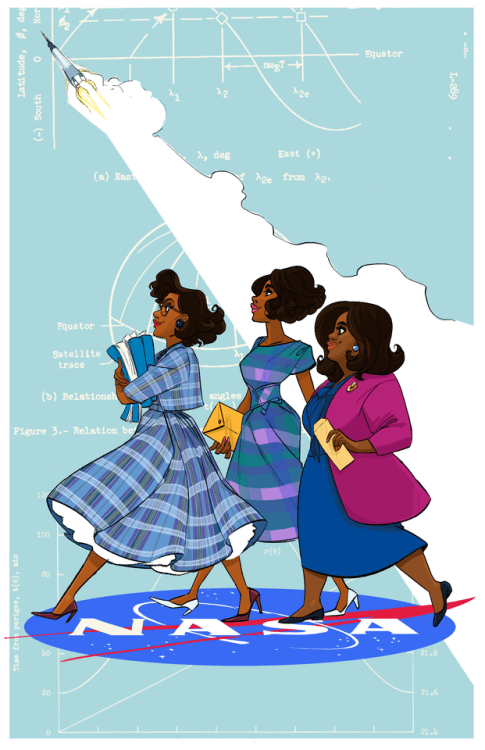
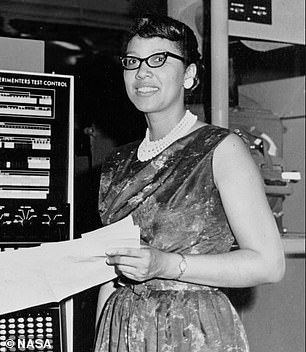
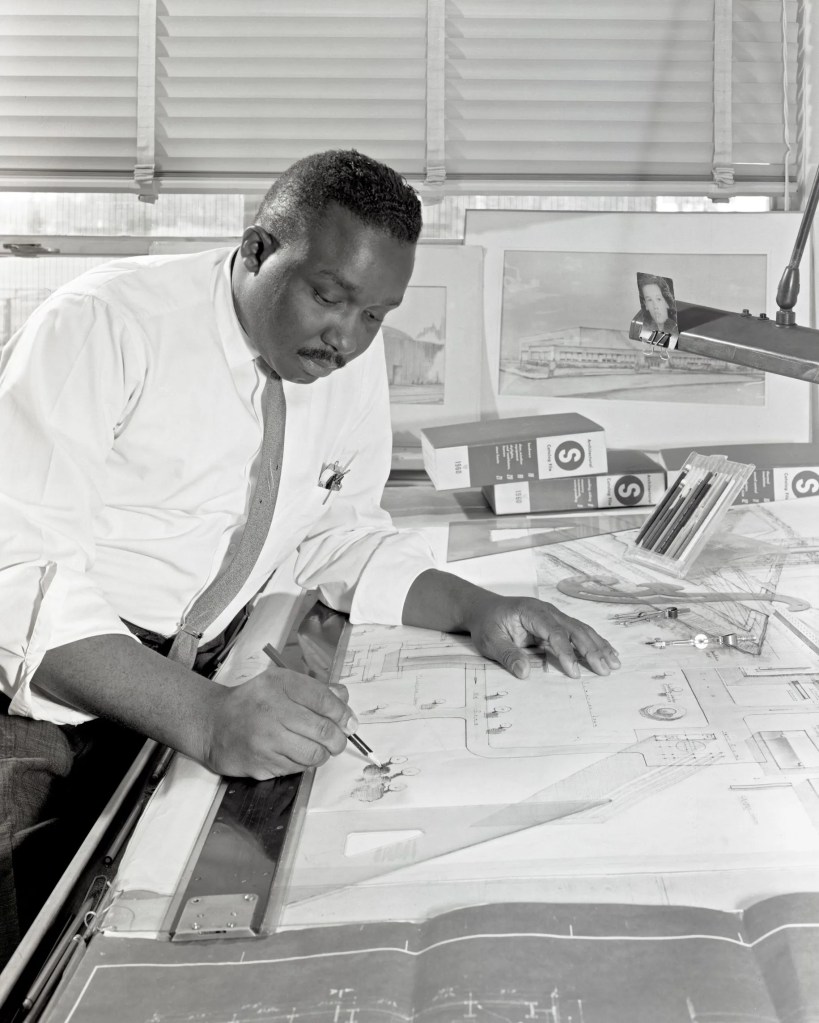
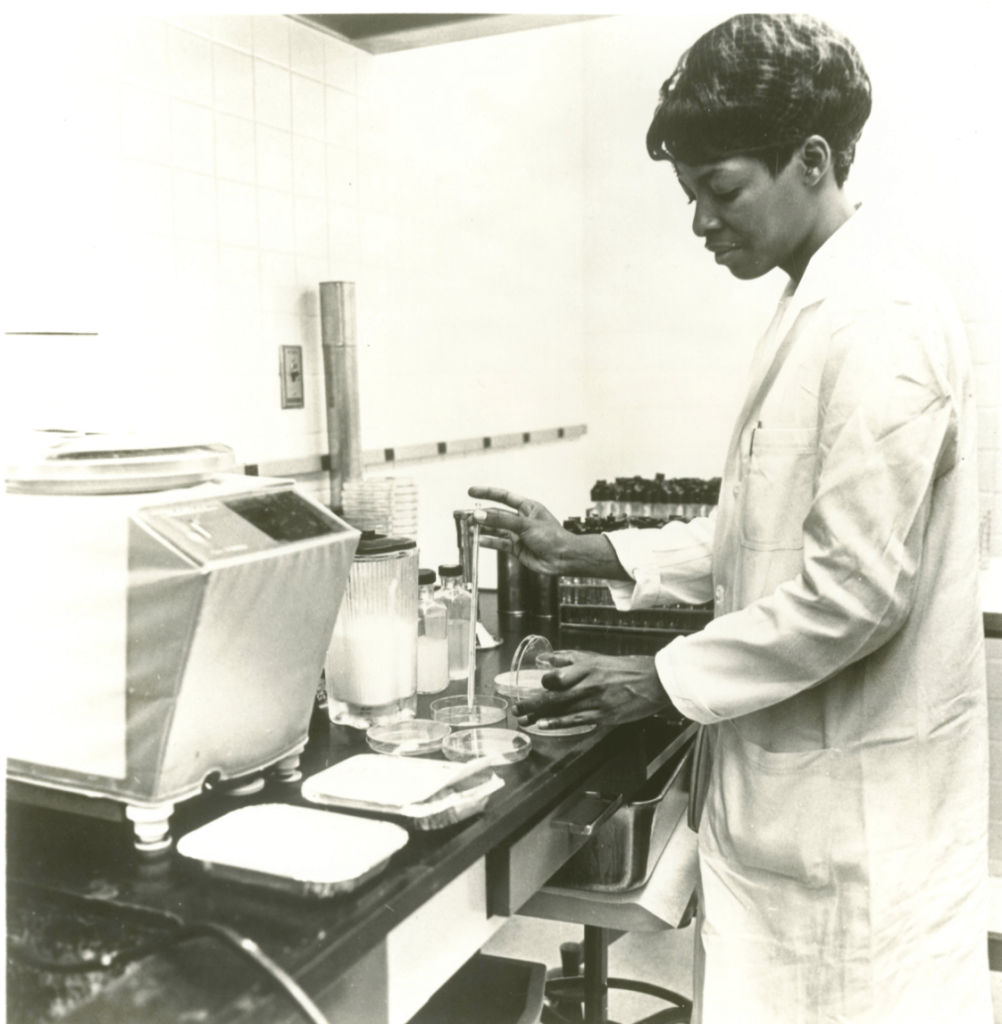
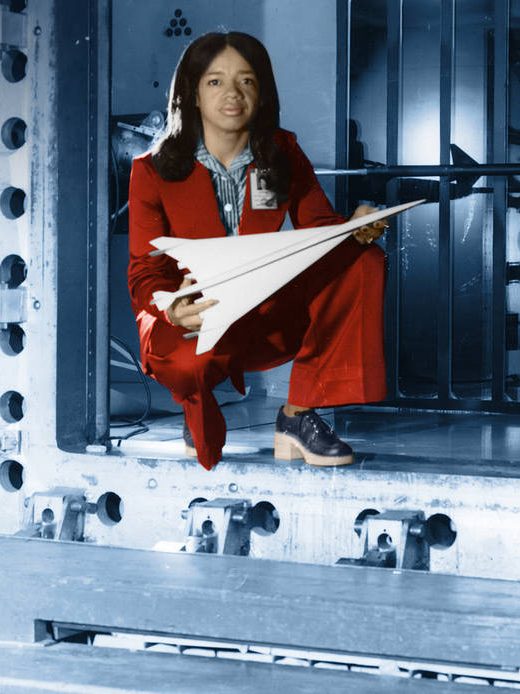
Indiana Jones meets Hidden Figures in this brand-new stand-alone historical fantasy set in the world of The Conductors, in which the space race of the mid-20th century will be determined by magic…if not murder.

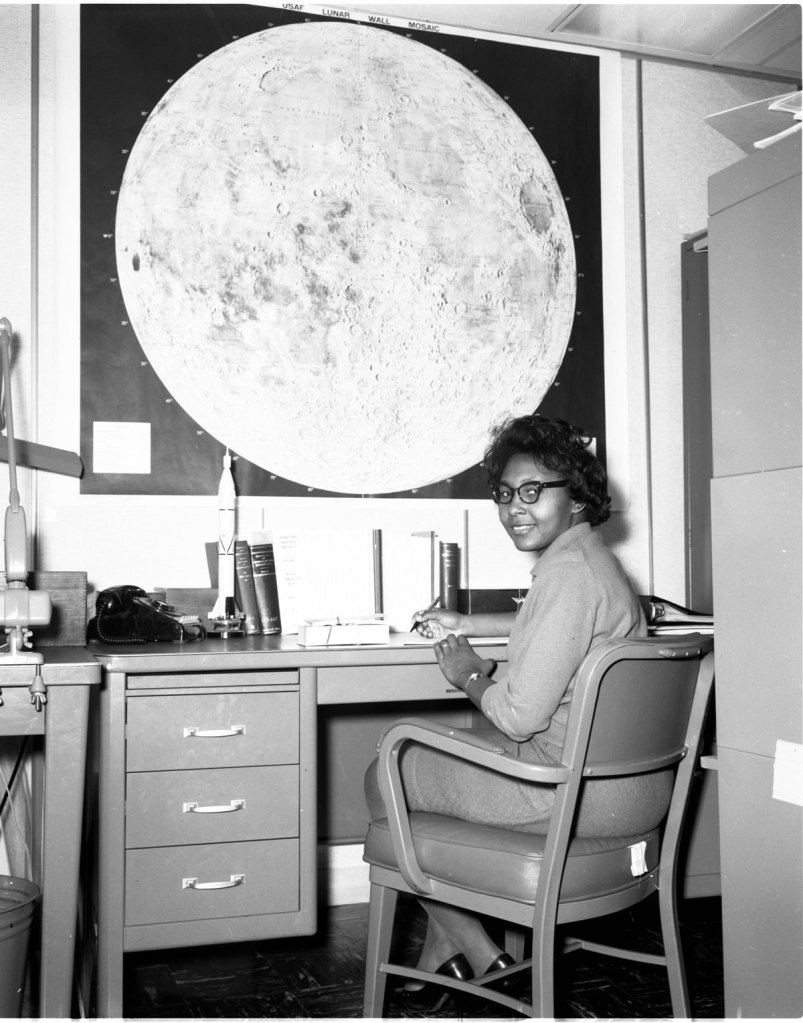
In the 1960s, the world was caught up in reaching beyond our planet and into the cosmos. It felt impossible—but there was nothing science, math…and magic couldn’t make possible. The race to space was on, and the Moon was what everyone had their eyes on.

Including Cynthia Rhodes, a brilliant arcane engineer at NASA’s Ainsworth Research Labs. Talented in math and magic, she hosts a magical educational show… a job she took mostly for a chance to regularly see the dashing Theodore Danner, a professor of arcane archeology.

She also an amateur sleuth—something that has run in her family for generations.

When a cursed museum curator nearly interrupts a broadcast of their show, Cynthia finds an eager sleuthing partner in Theo. Pairing up, they begin investigating the strange behavior of the curator and a mysterious theft at the arcane history museum — until one of Cynthia’s own coworkers perishes right in front of her in a major lab accident that endangers Ainsworth’s role in the space race.

Certain it was murder instead of an accident, Cynthia sees this as a separate case at first. However the more she and Theo investigate, Cynthia uncovers a surprising link between the two incidents. The museum theft and murder are part of a larger equation one that includes, deadly enchantments, rumored pirate treasure, a peculiar plant, and a dire threat to the space program as well as everything she holds dear.

The Starseekers is another rip-roaring adventure for the Rhodes family, who have been using magic to aid their community and solve mysteries since before the Civil War. The times may have changed, but a Rhodes once again finds themselves thrust into a world of murders, theft, sabotage, and curses, and this time the stakes extend to the stars themselves.


Auction

I’m taking part in the online auction Crime Writers for Trans Rights to support the Transgender Law Center.

More about the auction:

A group of crime fiction writers, all too aware of these difficult facts, have partnered with the Transgender Law Center in support of its goal to “champion the right of all transgender people and gender-nonconforming people to make their own choices and live freely, safely, and authentically.”

From March 26 through April 1, 2025, you can bid on a wonderful range of items, including from some of the most celebrated voices in crime and crime-adjacent fiction, with all proceeds given to the Transgender Law Center to help further their important work.

My offering is an autographed copy of The Improvisers. I’ll also be adding in annotations that give a behind-the-scenes look into my book. I will highlight my research, point out finer details, and explaining reasons behind key scenes and moments, and provide other tidbits.

Check out the auction from the link below and view the items generously donated for this worthy cause. Bidding ends 4/1.

Auction Link


Upcoming Events

Wands Books Author Fair 3/30 12pm -6pm

Norfolk, VA

RavenCon 4/25- 4/27

Richmond, VA

I’ve been nominated for this year’s The Webster Award!

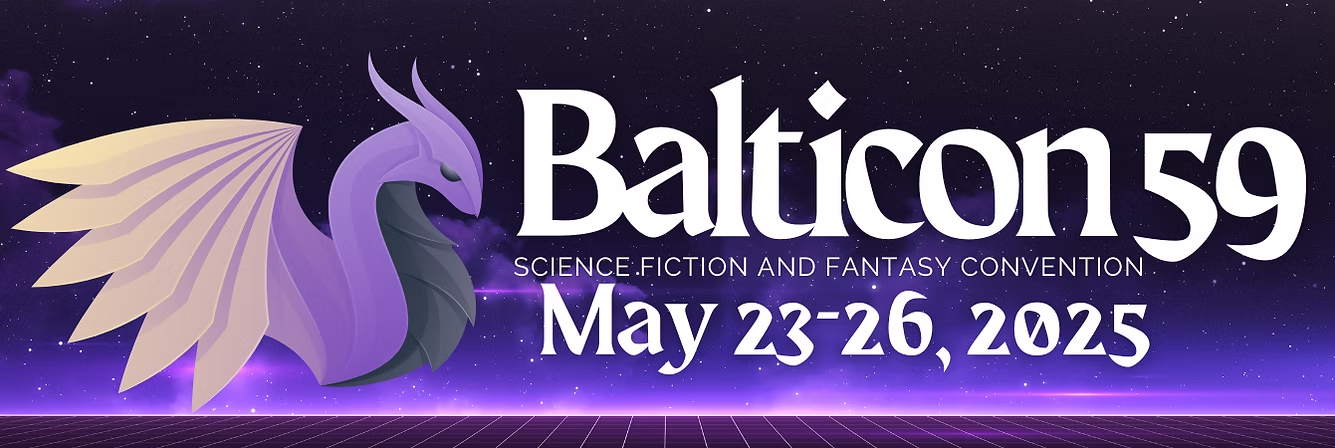
Balticon 5/23 -5/26
Baltimore, MD

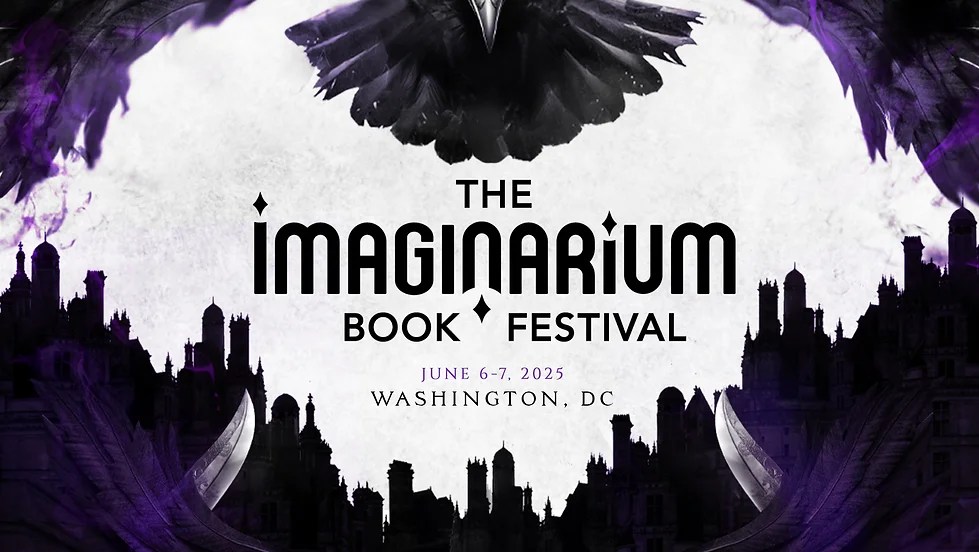
Imaginarium Book Festival 6/6 -6/7

Washington, DC

Planting a Family Tree

How to create the past and future of a fictional family

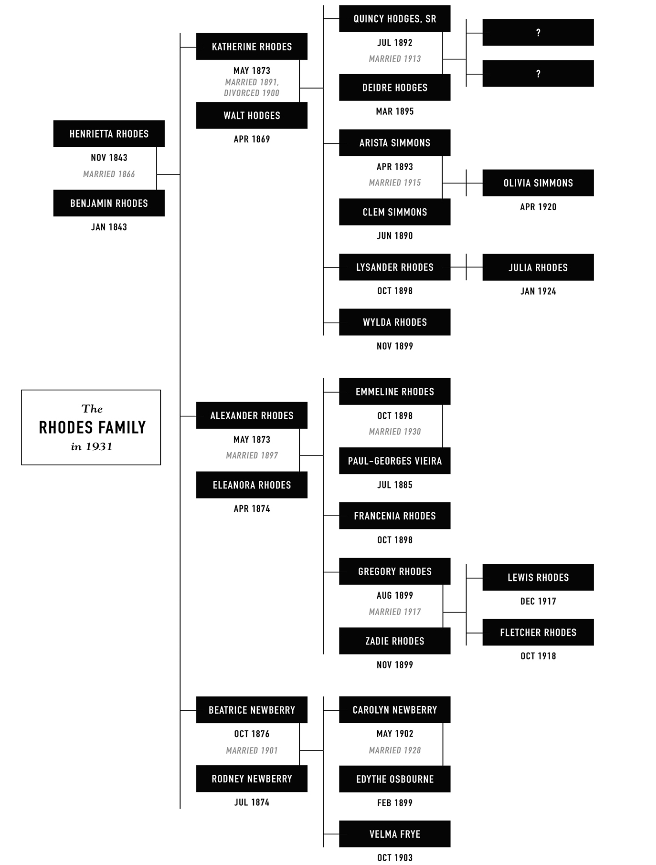
I love a good family tree. More books should have them! They are a great way to convey information and help untangle different family relations that could stop the plot if you explained it in text.

It’s one of my favorite things about The Improvisers, but I found that making the tree was much more complicated than I thought it would be. I wanted to take a moment to share my process as I figured out what to include on the tree and give you a behind the scenes look.

Family Trees are storytelling and worldbuilding at the same time.

When I started working on The Improvisers I knew I wanted a family tree included in the book.

The various Rhodes relatives appeared in minor but important roles, and as I plotted future books, it’ll be good reference point for me as well as readers.

But I also wanted a family tree for other storytelling aspects. The jump from Conductors & Undertakers to Improvisers is 60 years and I wanted to give an impression of how much has changed and hint who might appear as supporting players in Velma’s story. The tree also showcased family dynamics in a glance so readers know Velma is the youngest grandchild, that Velma has a few much older cousins, and that twins are common in the family, and other smaller details.

On the worldbuilding side, the various dates are reference points for me to explore future stories. For example, if I ever get a chance to do more Hetty and Benjy stories, they’ll be before 1873 as I don’t plan to write stories with them as young parents. I also have a story that I’ve been mulling over with the eldest daughter in the family, and all I can say is that the date for her divorce is one element that anchors the story.

Early on I capped off the number of relatives I wanted to work with for the family tree.

Even back when I was writing The Conductors I knew that Hetty and Benjy would eventually have three children, and that they would have twins. But the generation following was in flux. I had Velma, I but I didn’t know how many siblings she should have, let alone how many cousins at first. As I worked on The Improvisers the cousins appeared naturally as the plot saw fit, and I settled on one sister for Velma, which meant I landed on nine for that generation. I felt it was a reasonable number since I expected to reference a few in the plot, and well quite frankly, multiples of 3 often appear in my writing!

Around the fourth draft, I took a stab at making the first tree. Before had been vague outlines that I reference, but now that I had a clearer idea of the Rhodes family, it was time for a more official tree.

Because Improvisers is set in 1931 the first step was math. I did some quick calculations to figure out when Velma would be born, and then figure out her relatives, making sure birth dates and marriages were somewhat reasonable.

When designing the tree I chose to make it vertical anticipating how it will appear in a book.

Like I said before I love a good family tree, but I didn’t like how in some books they were done horizontally so they spread across two pages. I didn’t find those easy to follow along in bring, and it was even worse in an eBook.

Vertical to me meant it staying on one page and can be rather concise especially as it expanded. When designing the elements, I made sure the various lines to spouses and children were distinctively places, and gave space around the three main branches to get a clustering effect.

One little fun thing I included in the design is the question marks that appear on the tree. This is deliberate as this tree is from Velma’s POV, and hints at her familiarity and knowledge about her relatives.

One final aspect I considered in the family tree, was the definition of family itself. In the book, I make references to family friends are considered aunts and uncles with no deference to blood relation. I thought of including those characters too, but that made too many characters that weren’t relevant in this book (or in the forthcoming Starseekers). So I chose to keep it to immediate family for Improvisers.

Planning for the future

The best thing about working on the family tree was that it allowed me to plan for other stories. The Starseekers is set in the 1960s and my work for the family tree in 1931 allowed me to know exactly what branch of the family the next main character would come from, and what relatives that may or may not be involved in her life. Starseekers will feature a few characters readers saw a little of – and of course include an updated tree!


Updates

I had a blast earlier this month at One More Page chatting with readers about Improvisers and other fun topics. And as always it’s great chatting with Leslye Penelope who joined me for the event.

It’s a small indie, but One More Page is packed with charm and the booksellers there made me feel like I’ve been a longtime customer. If you’re ever in Arlington stop on by!

It's an honor to be nominated….

I’m up for an award

I’ll be at RavenCon this April, and I just found out THE IMPROVISERS has been nominated for The Webster Award!

According to the organizers, this award was made “to recognize outstanding achievements in writing by Virginia authors.”

I’m excited to see THE IMPROVISERS get recognized and I’d appreciate any votes!


Handling Deadlines in the midst of Life's Distractions

Deadlines are important except when everything else is too

I’m starting 2025 off to the races in the midst of a deadline and other obligations that have been cropping up with the new year. Edits for The Starseekers arrived in Mid-December from my publisher. While the deadline for early February isn’t very far away, it was far enough away that I could enjoy the holidays without the pressure to hide away with my laptop.

Now that it’s January, I’m feeling the crunch slightly, but edits are moving smoothly. The bigger looming problems are the forces outsides of writing that are conspiring against me. I’ve always thought the start of the year was a slow time, but I’m starting to realize that’s not the case. Interestingly enough there’s quite a few applications for events, programs, and submissions I’m interested in that open and close over the next few weeks. Plus some author events I agreed to before I got back my notes. Throw in things in my life outside of writing I need to care of as well, there’s a lot going on.

Deadlines are important, however they aren’t the most important. I cannot just write the entire time as there are other things I need to take care of concurrently. And after being on a deadline for a few times I developed a few strategies to help me manage through this time.

  1. Put all events, deadlines for tasks, and other appointments on a calendar ASAP. Although this is a pretty basic organizing hack, it’s the simplest thing to do and surprisingly easy not to. In the past I found if I don’t put something on the calendar right away, it could be forgotten, which leaves me either scrambling to make the deadline or feel the regret of just missing out.

  2. Set editing goals for certain days. Either for a week or a specific days I set minor goals, for things I want to accomplish. I’ve done edits where I plunged in without a care, but a little structure helps a lot. Having goals lets me know exactly what work I need to do especially as I get near the end.

  3. Build in time to allow for non-writing activities. Another writer called this Admin time and I’ve been referring to it ever since. It’s basically a block of time I schedule to take care of all essential tasks that don’t involve your novel. In this time I’ll time, do housekeeping, writing emails, running errands, and all other important tasks that keeps the wheels turning in my life.

  4. Allow for surprises. Over the deadline period the unexpected will arise. You might get sick, get a visit from an old friend, or have to make urgent car repairs. I learn to leave wiggle for things that I can’t possibly plan for, because that’s life in a nutshell.

  5. Optimize what tasks you can. In the final weeks of a deadline, I make a rough menu for meals for the days, so it’s one less thing to think about. It’s a small thing I do, but it allows me to better use the time when I’m in that final push, as it’s one less thing to worry about. Similarly, I make sure other tasks and errands are taken care of so I can stay focused.

  6. Remember that deadlines are flexible. At the end of the day, a deadline is an arbitrary date. It’s just the ideal date you and your publisher agreed on. The best thing for me going into a deadine is being assured by my editor that if my edits become more complicated than I thought at first, I can always reach out and ask for more time. A publisher wants the book from you yes, but it’s better for everyone to have the best possible book even if it takes longer. They’ll be okay with extending a deadline as long as you give them a heads up. While I have yet to ask for an extension, knowing that I can relieves me of some pressure and the fear of what will happen if I can’t make it in time.


I have a few upcoming events the next few months. From local cons, to author events to books festivals, here are few I have booked already, with more to come. Make a trip if you can! I’ll be chatting about The Improvisers and bringing the hype for The Sarseekers.

Mars Con

1/17 – 1/19

Virginia Beach, VA


One More Page Books

2/6 at 7pm

Arlington VA

Author Talk in Conversation with Leslye Penelope

Suffolk Authors Festival

3/15 1pm – 6pm

Suffolk, VA

Ravencon

4/25 – 4/27

Richmond, VA

Imaginarium Book Festival

6/6 – 6/7

Washington DC


Launch Day Incoming!

Things are just getting started…

I’m finishing out the year with a new project. I’m pretty confident I can finish it before the ball drops at the end of the year as I’m currently in the middle of the second draft and the story is shaping up nicely.

This makes the third new project I have started up this year. Three very different projects that allowed me to experiment and let my imagination run wild. In one project I got to venture into scfi and dabble with time travel, in another I tried my hand at a cozy adventuring quest romp. And what I’m working on now is a gaslamp romance.

These were all ideas that had been stewing in the back of my mind as I worked on Improvisers and Starseekers. With one publishing and the other in production, I was able to plunge headfirst into creating new stories after spending so much time in cycles of drafting and revising. It was even nice that, besides the time travel story, I could take a lighter hand at research.

There’s never enough time as a writer to work on projects. You have to give the most focus on the project that is bringing in the money, and any new ideas you have will have to wait. Because you don’t know if the idea you have is worth the time and effort to turn into a full novel, and that tinkering you undertake with something new could have negative on the project you contracted to finish. That’s why some authors have short stories that over time become novels. These short stories were seeds of new ideas that they were trying out to see if the idea could sustain a full novel. Sometimes it can, and sometimes it can’t.

I had a feeling that these ideas of mine were more than enough to explore in a novel format. (Especially after I transformed the time travel story from a novella into a novel!) I don’t know how these new projects will pan out in the coming months, but I hope that I will have good news about one, if not all!


Upcoming events

With The Improvisers releasing I have a few events on the calendar, with more to come!

If you or a friend are in the Hampton Roads area stop by Prince Books in Norfolk on 11/7. I’ll be there chatting about The Improvisers and ready to answer your burning questions. The fun starts at 6 pm.

If you’re on Instagram, I’ll be coming at you Live on two different nights on the platform!

11/5 at 8pm ET/ 5pm PT with Bri’s Bookish

11/13 at 8pm ET/ 5pm PT for Sistah Scifi’s Wine Down Wednesday

(Sistah Scifi is also offering signed copies of The Improvisers is you get the book from them!)

If you’re following me on Instagram, you’ll get an alert when the event begins.


I spent October indulging in numerous spooky media, whether it’s revisiting old favorites or trying something new.

I finally got a chance to see the film, Nope. It came out fairly recently and I was proud that I somehow managed to avoid all spoilers about it. I went in only knowing it was vaguely scifi-horror edge and I had a great time! It was a delightful blend of different genres that all worked into wonderful spectacle.

My library has been getting a lot of translations in, and one of my recent reads was A Magical Girl Retires by Park Seolyeon. It’s a tribute to the magical girl genre and it’s short novel that weaves quite a tale in its few pages. (A word of warning, it does open with heavy suicide ideation and tackles heavy topics, but the book’s tone isn’t overwhelming dark.)


Election day is tomorrow! I voted early some weeks ago in Virginia. I love early voting so very much. The place where I can vote, isn’t far from my local library, so I was able to vote, grab my library holds afterwards.

I always been enthusiastic about exercising my right to vote. The first year I could, I got there when the polls first open, dragging with me my mother who was bemused at my excitement. I think I found it exciting because it was a mark of adulthood and I saw it as the beginning of how I could help shape the world.

Admittedly voting is less of an exciting event for me these days, but I vote every year because every year is an important election year. No matter what office is on the ballot, each year your vote matters. Because you’re not just voting for yourself, but for your family, for your community, and for the future.


The Improvisers

Available everywhere you get books. Don’t forget to request for your local library!

The History Behind the Magic : Air Mail

Part Two of behind the scenes tidbits for The Improvisers

The Improvisers is a travel book. Velma is on the road, or in this case the sky, tracking down enchanted objects. To plot her travels between Chicago, Philadelphia, California and other places, I used the air mail routes as a point of reference. They were a very handy visual for someone who has not flown a plane across the US.

I was also very interested in the Air Mail Service, which I first learned about in a meaningful way during a visit to the Air and Space Museum in DC. I’d always seen air mail stamped on vintage envelopes, but never really gave a thought beyond he obvious about what air mail was and how mail traveled by air in the first place.

The Air Mail service officially started in 1918 with the first routes flying between New York, DC, and Philadelphia – though there were flights done as early as 1911. Remember, Kitty Hawk and the Wright Brothers’ flight was not that long ago in 1903. They had only just figured out planes in WW1, so I thought this was an astonishing early adoption to trust the nation’s mail with.

But perhaps not so surprising I found as I dug into history. Since Ben Franklin became postmaster, people were always trying to find ways to get mail delivered quicker. The Post office was quick to try anything that could help. Which was how we got mail by train in 1832 and in 1860 the extremely short-lived Pony Express (it only lasted 18 months, but lives on forever in our collective memories!).

The air mail service was the first commercial aviation industry, and featured pilots that were fresh from the war eager for new challenges and thrills. It attracted many others as well including, Charles Lindbergh. The air mail service wasn’t without controversy, it faced strikes when the postmaster tried to force pilots to fly in zero visibility, not to mention cases of lost mail and mishaps.

The US government funded and supported air mail until 1926 before letting private contractors, like Boeing, take over. This ushered in commercial air mail service. Air Mail as a unique service ended in 1975 as mail of all sorts began to be flown, but it left a mark on the landscape, literally.

Courtesy of Atlas Obscura, I learned about giant concrete arrows that marked the way for air mail pilots. These arrows were painted bright yellow and had beacons next to them to illuminate the arrows at the night. Pointing the way forward, they were a fail-proof way for pilots to stay the course once they left densely populate areas. Not just for air mail pilots used them, people who flew in private planes utilized the arrows as well.

Most of these arrows have sadly been torn up, as the arrival of WW2 ushered in fears that the arrows would give enemy advantage. Luckily a few still remain and continue to be used by pilots today. And if you don’t believe these arrows exist, take a road trip to see them up close!

Part One: Inspiring Pilots


The History Behind the Magic: Inspiring Pilots

Part One of behind the scenes tidbits for The Improvisers

I always knew that Velma Frye was going to a be a pilot. The stunning feats and wonders of planes was one of the most intriguing elements in the era I set The Improvisers. I knew the protagonist for the book would be daring, headstrong, and unafraid to plunge into danger. And what better empathized that than a pilot in an age when planes were only a few decades old?

I have long heard about Bessie Coleman, who famously went to Paris to obtain a pilot’s license in 1921 because she couldn’t get one in the US due to racial discrimination. Returning she was an instant celebrity, performing and exhibiting in air shows to great acclaim. She made living barnstorming, performing daring stunts to amaze the crowds as well as doing a lecture tour about aviation. Her death in 1926 in a training accident cut short a promising career but her legacy was already well-established.

While Coleman looms large when talking about early pilots, she’s far from the only one. Like how she continues to inspire today, she inspired many of her contemporaries to take to the sky, by proving it was possible in the first place.

Janet Harmon Bragg took an interest in aviation by seeing a poster “Birds learn to fly, why can’t you?” Seeking an aviation school, she took classes taught by Cornelius Coffey and John Robinson, Black pilots who were auto mechanics turned licensed pilots. Joining the Challenger Air Pilot Association (or Challenger Areo Club) that was led by the two men, Harmon Bragg would eventually buy the club a plane and assist in efforts to build a small private airport for the club to practice at. Harmon Bragg obtained a private pilot license in 1934 and a commercial license in 1943. She also wrote a weekly column for the Chicago Defender, called “Negro Aviation” detailing information about flight and avaiation which in turn led to increase enrollment at the Coffey School of Aeronautics.

When WWII broke out she applied to be a WASP (Women’s Air Service Pilot) but was rejected on the account of her race. And when she applied to Tuskegee Airmen, was rejected for her gender. Despite these setbacks she would continue flying and remain fierce advocate for aviation.

In 1936 Willa Brown famously strode into the offices of the Chicago Defender in her flight gear to get advertisement for the Challengers’ upcoming flight show to drum up publicity and interest in the community. Obtaining a pilot license in 1938 and commercial license in 1939, she soon became a founding member of several aviator groups, such as the National Airmen’s Association of America often taking leadership roles.

With her husband, Cornelius Coffey, Brown played a key role in successfully lobbying the government to consider including Coffey School of Aeronautics into Civilian Pilot Training Program. The Coffey shcool trained over 200 students and instructors who would became Tuskegee Airmen. Brown’s also arranged for the school to be part of the Civil Air Patrol and rose to the rank of lieutenant in the patrol, making her the first Black officer.

A few other pilots of interest

Eugene Bullard fought in WWI with the Foreign Legion and started flying due to a bet. When the US entered the war, he was not accepted into the American air service as only white pilots were chosen. Embraced as hero and celebrity in France, he would run nightclubs during the interwar period. When WW2 started up he would fly again, but an injury ended his service and he would eventually return to the US.

James Banning was the first black pilot to make a transcontinental flight across the US in 1932. While flight time was just over 41 hours, it took 21 days to make the trip given the need to raise money for each leg of the trip for maintenance and fuel. He would die four months later after this feat when the plane he was in stalled and crashed in during an air show.

Herbert Julian first emerged on the scene in 1922 when he did a parachute jump in the same show as headliner Bessie Coleman. Famed for his flamboyant style he was part of the flying circus called the Five Blackbirds, and performed many barnstorming feats around the country. While a talented pilot, his skills are often overshadowed by controversy most notably in Ethiopia in the 1930s where he came to blows with John Robinson when both were in the country to assist Ethiopians against Fascist Italy. The disagreement with Robinson lead to Julian being forced to leave. Julian’s career as a pilot would peter out following WW2 and he later would become an arms dealer in the 1950s and 1960s.

Part Two: Air Mail


Time Flies

Lots of things to do and more to come

Where did last month go? It just sped past for me, between a bunch of events and wrapping up work on my latest manuscript.

In September I was on a small writer’s retreat with a few other authors at the Highlights Foundation – yes that Highlights, the children’s magazine you probably read in dentist office somewhere. The retreat was in a very woodsy area in rural PA, and it was the most I’ve been surrounded by nature in ages. While it wasn’t remote by any means, my phone went into SOS mode a couple of times. But since I was there to finish work on my manuscript, that didn’t quite matter.

It’s funny even though I was furiously working nonstop for those handful of days I wasn’t as stressed as I had been in the weeks leading up to it. I live in a busy area, across from a hospital and a fire station, with loads of street traffic right under my window. It was nice to have wind, bird chirps, and the rustle of leaves as a soundscape. It didn’t hurt took that the retreat came with meals, so no cooking, cleaning, or planning any meals!

This was my first writer’s retreat, and while I was always intrigued by the whole “go to a cabin in the woods to write”, I never thought it was worth it. After all I can do the same thing at home. Just disable the internet, plan out meals, etc. I found afterwards, that going away was worth it. It was nice to switch up my routine and place myself somewhere entirely different. Actually wish it could be longer, as this was only half a week. So maybe that’s the plan for next time!

Also, if you’re thinking of doing a retreat, for writing or otherwise, this is me suggesting you book that trip if you have the opportunity to do so. Trust me, you won’t regret it.

Busy Season Incoming

Upcoming and updates

My fall’s looking to be quite busy. I got several exciting things lined up and I’m looking forward to another season of writing, editing, and preparing for publication.

I even finished the expansion of the novella I had started recently. I’m happy to report I have successfully completed its transformation into a novel. I doing another pass to smooth out some rough edges before letting it simmer, but I’m quite pleased with it.

I also surprisingly didn’t outline this book. I made a few notes of course, particularly for new or expanded scenes, but no outline ever materialized. But I guess the novella itself acted as robot outline, and I all needed to do was fill in the gaps!


I have resigned from Nanowrimo’s Writers Board in regards to their latest policy on AI:

A great write-up can be found here about the situation with some of the original language that was posted on 8.30.24 before being changed on 9.2.24 after the news hit.

Overall, I find their stance in calling those that oppose the use AI in writing as classist and ableist quite offensive and short-sighted in how this will impact the writing community.

AI is a tool, but as a writer, creative, and a person who thinks automating creative pursuits is a terrible use of technology, I find this take irresponsible and I will not supporti it.

AI in writing has existed for quite a long time with things such as spellcheck and Grammarly. There is space for tools that allow us to reconfigure text or provide suggestions and better word choices. But Generative AI ( such as what Prowriting Aid utilizes) is a very different beast. It trains by steals writing without permission, cheating not just the original writers, but the new writer of the joy of writing. And it’s highly likely that writing shared within Nano community going forth will be trained on AI and I would not advise anyone taking part in the future.

Despite all of this, I am quite sad to part ways with Nano like this. My role on the Writers board gave me a chance to fun engagement activities such as the writing salon I did last fall with the wonderful folks as Girls Write Now. And the Nano challenge, 50k words in a month, continues to serve as an inspiration for getting me into the rhythm of writing the first tricky draft of any story. In fact my forthcoming books started out as Nano books.

However with this change in policy AI, I can’t in good conscience remain on the Writers Board or avoid speaking out, as my silence on the matter would be quiet approval.


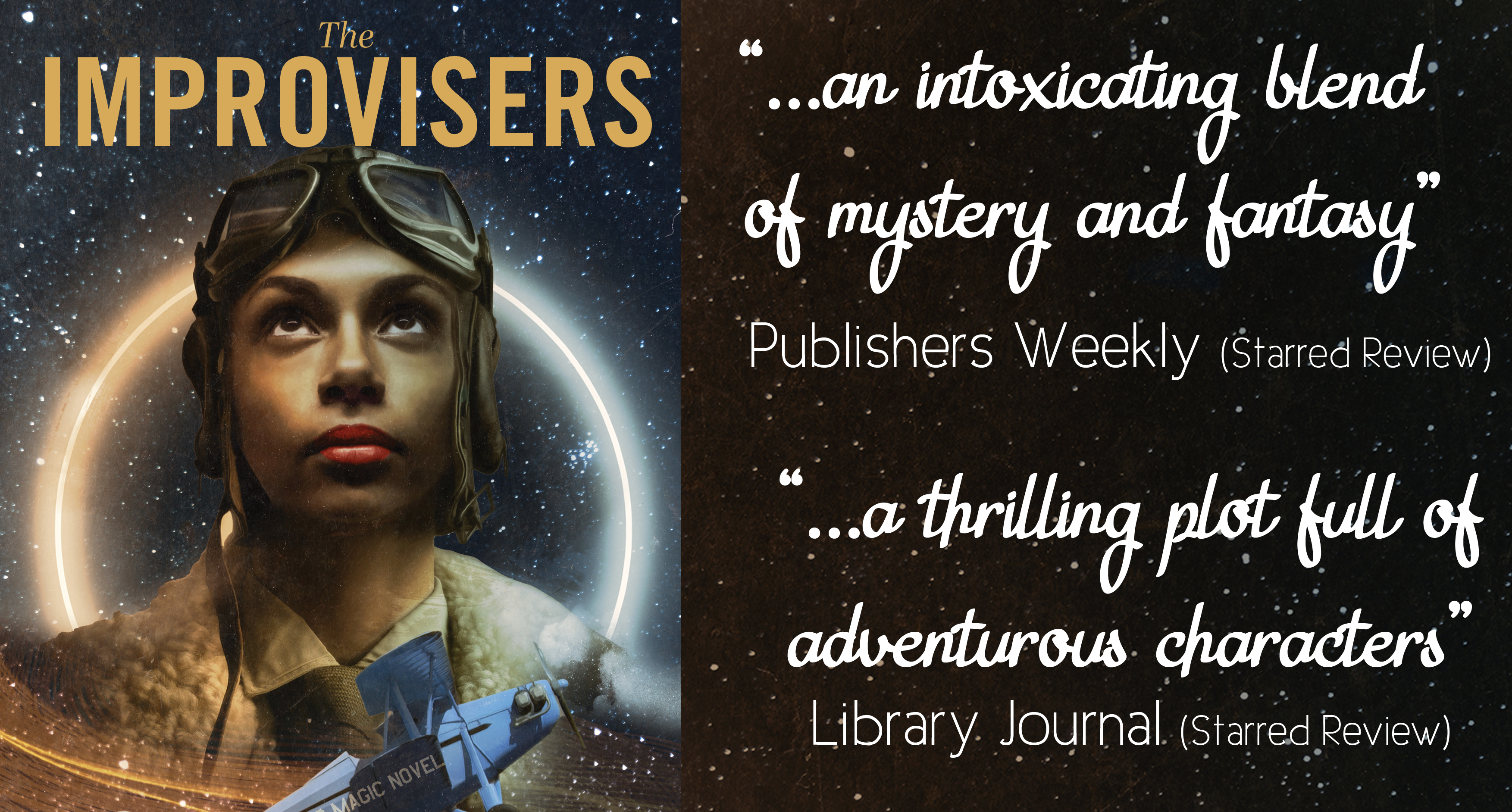
In happier news, I recently received two fantastic STARRED reviews from Publishers Weekly and Library Journal.

If authors read any reviews, it’s the one from trades publications like these. The reviews from trades are great in helping to make a splash in the weeks leading up to publication, not to mention the source of many quotes you find on book covers.

That my first were both starred is amazing, and I’m genuinely touched and delighted for such a response.


Barnes and Nobles is having a sale again! Between 9/4 – 9/6, B&N members get an 25% with making a pre-order when they use code: PREORDER25.


The Improvisers arrives November 5th. Until then I’m giving away an ARC (Advance Review Copy) each month. If you’re interested in snagging a sneak peek, enter the survey below before 9/12.

If you entered previously, no need to enter again, you’re already in the running!

On Retreading

Sometimes the best stories need a second look

I finished a draft for a new project recently. After being knee-deep in edits I wanted to do something fun and completely separate from my current books – and it was the right call. To work on something new was like a holiday to a place I’ve never been before. I got to explore and figure out the world as I went along, and I found myself simply delighted by what I found. I won’t say the book came together easily, but it didn’t take too many drafts to feel like I knew what this story was about.

While I let that draft rest for a time, I’m poking around with a story I wrote three years ago. A novella, it was an experiment in writing shorter narratives. Will I liked the story well enough, looking over it now with fresher eyes I started to see places in need of improvement. That part didn’t surprise me. I find the longer I’m away from a story, I return with new ideas to punch up or rewrite certain scenes. But this time however, I looked at the story and thought about punching up the word count.

Another author once told me a story is as long as it needs to be. Sometimes it’s obvious from the start, but other times you’ll only figure it out by writing the tale.

Looking back at this old story, I started seeing where I cut back on plot developments because of word count concerns. There were quite a few scenes that could be longer but I had cut them short because I was adamant about staying within the bounds of the word count. I wanted this to be a novella, to prove to myself that I can write shorter narratives. And I did finish it, but I always had the in the back of mind it could be improved somehow. As I look over the story now, thinking of how I first wrote it, I started to wonder that maybe this was never a novella at all. That this “novella” was a robust outline that I didn’t know how to make into a novel – but I do now.

While I’m certain there is a version of this story that could be a novella, I think a full novel will be the best way to tell all the things I wish to say. And if I wasn’t certain about this being a good choice, I refer to the notebook where I easily wrote six pages of possible changes and additions without pause. Six back-to-back pages written in pen, brimming with ideas as I got excited to retread an old story and transform it into the book it might have meant to be.


There are fun things I get to do with my books as it comes time for promotion, but nothing is as joyful as putting together a doll to capture the spirit and whimsy of my book and main characters.