Once again I find myself on deadline through the end of the year, so if I been a little quiet lately, that’s the reason! On deck is the final draft of a book due at the end of the January. While the official announcement hasn’t been made yet, I can say it’s been very fun to write since it’s contemporary. Look for it in Fall 2026.
While I love getting deep into a new book, sometimes the biggest hurdle is the act of writing itself. When you have to write a first draft, word count is your only true measure. But I often wondered how good of a measure is it?
Filler words and placeholder text often take up space.
When I’m drafting I’m flip between plotter and pantser. Which is to say I have an outline but I’m vague on the beats of the interior of a scene (and sometimes forget the outline entirely!). When I working on the first draft I’m trying to figure how things will play out. I shamelessly have brackets filled with text saying [here’s my plan to flesh out this scene on my next pass] with the hopes I’ll have a better idea later. Some scenes are even ones I plan to fix later due to additional research.
Misspellings and grammar riddle the work for now.
I’m in the school of “edit after everything is done”. I find if I edit a recently finished chapter while in the middle of drafting, I end reworking not just that chapter or others too. I might even get stuck for an hour with a prickly paragraph that’s not quite sweetly singing yet. It’s procrastination of a different sort I find. Because for me that first draft is about getting everything out, but sometimes I wonder if a number of misspellings and bad grammar I let fester really reflect the true word count? Or A word is still a word even if misspelled.
The first draft is sparse and missing scenes because you can always add more later.
Often when I get to the very end of my first draft, the final chapter is a skeleton outline of how I want the final beats to go. Call it burnout, call it a process, call it the plight of a writer who writes sequentially. I view first drafts as a fleshed out outline, where my writing is really brainstorming the entire book. I spend most of my writing time revising and editing as I tweak scenes and punch up sentences. But keeping things sparse does impact what the final word count will be, and could be troublesome when I have to hit a certain word court for a project. Although by now I’ve learned to build in that to my draft. For example If I need a project to hit 90K when completed, the first draft will land around 70K, and that usually helps.
Tracking words is about productivity and not the content.
Counting words is quantifiable and easily tracked. It’s easy for anyone to jot down a number in notebook or even put in a tracker. But it can’t measure how well a scene is going. Or if you just quickly pushed out 300 words to meet your quota for the day, just so you can delete the words the following day what did those words really mean? While I don’t think there’s good or bad words at this stage of draft, I think it’s beneficial to be mindful so you’re not writing words solely to fill up space. It’ll make editing those same words all the more easier down the line.
At the end of the day, the number of words simply says what you have got written down. Celebrate that!
Sometimes tracking words gives you an idea of how big a story can get. It is a good way to measure and stay accountable especially when you have a deadline to meet. Keeping an eye on your word count is a good goal setting practice and can help break up a project into less intimidating pieces.
But I find at a certain point tracking words is hardly helpful. When I get to the end of the first draft, I find myself no longer tracking words. I’m just getting out the rest of the words I have left for the remaining scenes and moments. This is the part I can’t measure because I don’t truly know what that numbers of words are. I just write and keeping writing until the words are gone.
Then I take a breather and start editing right from the beginning.
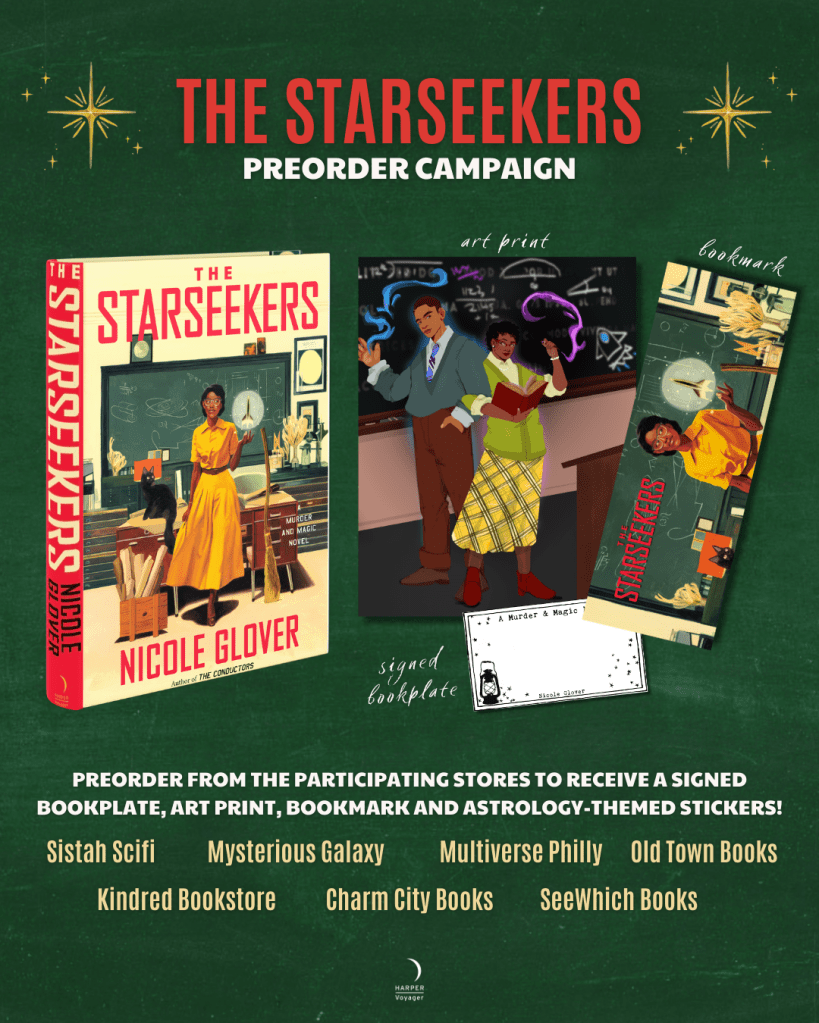
Announcing The Starseekers Preorder Campaign!
Preorder The Starseekers from any of the following bookstores to get some swag and a few surprises!
Upcoming Events
Brew Ho Ho 2025
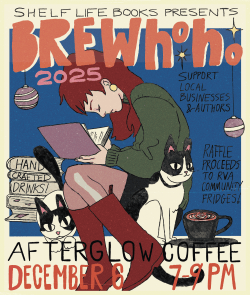
Richmond, VA
12/6
7pm – 9pm
Book Signings!
Coffee!
Festive Fun!
Celebrate The Starseekers with the following events!

Kindred Bookshop
Jan 6, 7pm ET
Virtual

Multiverse Philly
Jan 17, 1pm – 3pm
Philadelphia, PA
More to Come!
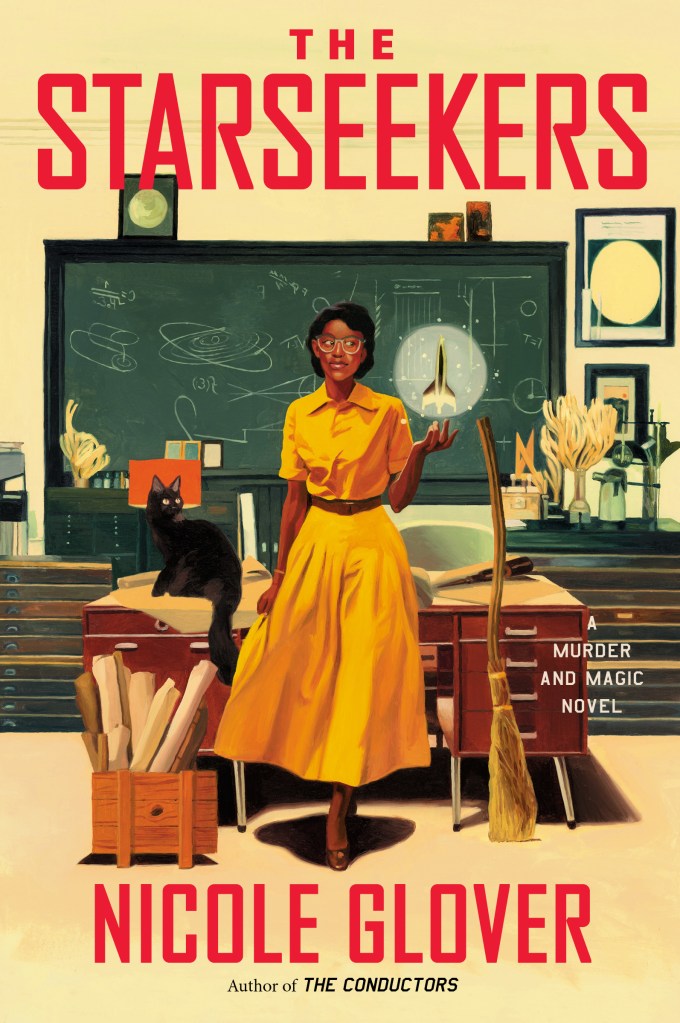
The Starseekers
Head to the 1960s for a Hidden Figures meets Indiana Jones historical fantasy. Cynthia Rhodes is a arcane engineer at NASA, who also co-hosts a magical education show with archaeologist Theo Danner. A series of strange accidents at NASA, and elsewhere, put them on the trail of a mystery that entangles them in both peril and murder most foul.
Arriving 1/6/26
Subscribe
Thank you for subscribing!
Nicole Glover is a fantasy writer and the author the Murder and Magic series which includes THE IMPROVISERS. Her next book is THE STARSEEKERS, forthcoming 1/6/26
 Nicole Glover