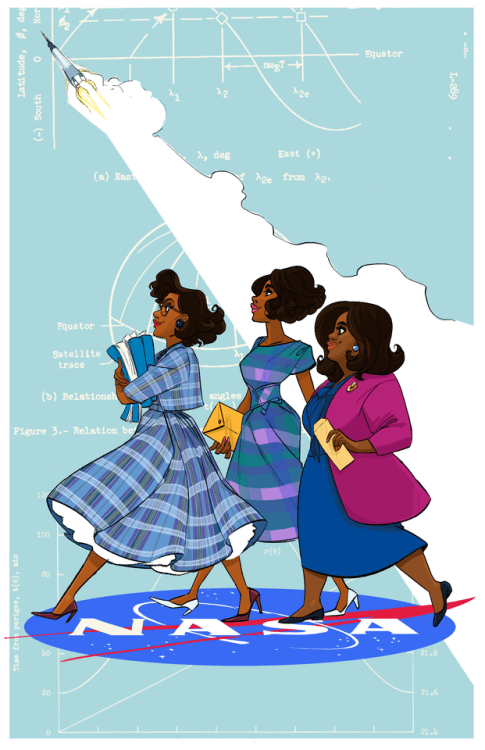
Both the film and the book Hidden Figures reconfigured for the general public who worked at NACA/NASA during the pivotal moments of the space race. A NASA scientist had always been seen as one particular type but Hidden Figures showed that was far from the truth. With the publication of the book which spurred similar works, as well as the celebrations around the moon landing’s anniversary, I had plenty of resources at my fingertips as I began writing the first draft of The Starseekers.
Although the ladies featured in film (Katherine Johnson, Dorothy Vaughn, and Mary Jackson) are fabulous, I wanted to share some of the lesser known figures I came across during my research. Some inspired not just the main character, Cynthia Rhodes, but the rest of her co-workers at the fictional NASA facility, Ainsworth Research Laboratory.
Truthfully many of the people I list here were recognized over the years with books, articles and more celebrating their contributions (mainly in the Black media outlets) but became forgotten over time. How much we know about each person also widely varies. While some I can find numerous books, newspaper articles, podcasts, blog posts, and even documentaries about them, for others I could only find a photograph and a name credit.
Yvonne Young Clark
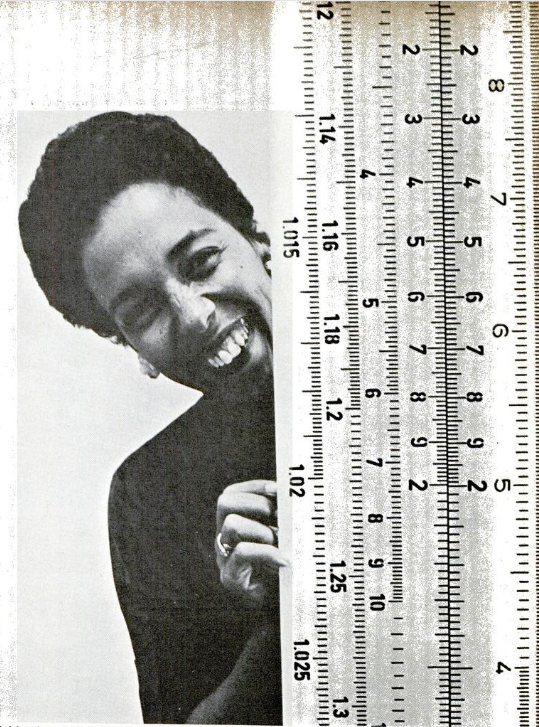
Yvonne Clark got interested in engineering through a love aeronautics and tinkering with small appliances. She worked primarily as a professor of engineering but used her summer breaks to work at places like Frankfort Arsenal and Westinghouse Defense and Space Center.
Working at both as a NASA Contractor, Clark calculated movements for missiles and rockets, found out what caused heat spots on the Saturn 5, and was part of the team that built the Apollo Lunar Sample Return Container, which brought back moon rock samples to Earth.
Melba Roy Mouton
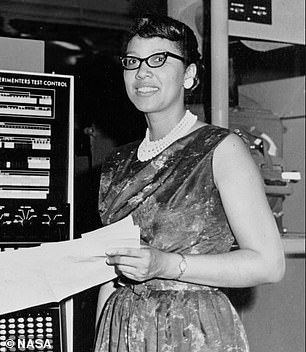
Melba Mouton began her work at NASA at the Goddard Space Flight Center analyzing satellites. One of her first projects involved the Echo 1, which was a key satellite that helped expand communications around the globe. Her knack for interpreting data eased her transition into computer programming.
She eventually was promoted to Assistant Chief of Research Programs in the Trajectory and Geodynamics Division.

Evelyn Boyd Granville
The second Black women to earn a Ph.D in mathematics in US, Evelyn Boyd Granville was worked as a NASA contractor through IBM and North American Aviation Company. She wrote computer programs for the IBM 650 and helped launched satellites with Project Vanguard. Passionate about STEM education, she went into academia in 1967 and spent the rest of her career teaching the next generation.
Jeanette A. Scissum
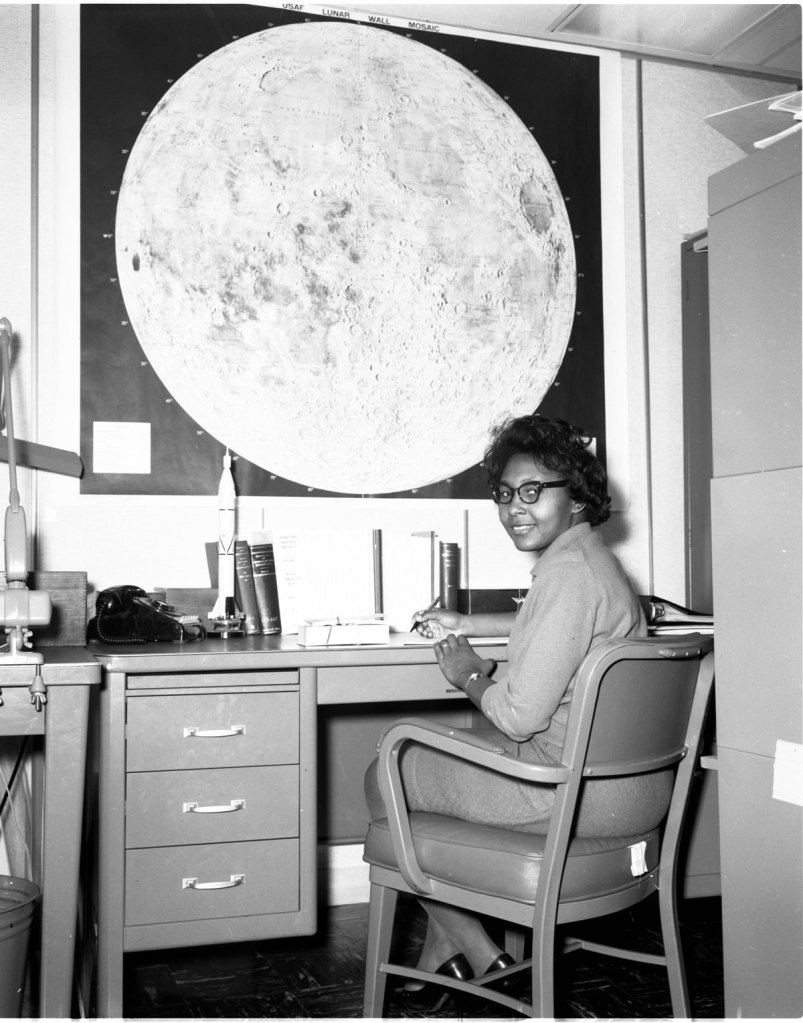
Jeanette Scissum worked at Marshall Space Flight Center as a mathematician. Working as space scientist, she helped forecast the sunspot cycle and and led studies in the Atmospheric, Magnetospheric and Plasma project.
An advocate for inclusion she became an EEO officer in 1973 and acted as a champion for her fellow employees even at the risk of her own career. She eventually received NASA’s Equal Employment Opportunity Program Award. Working mostly with computer systems near the end of her career, she retired from NASA in 2005.
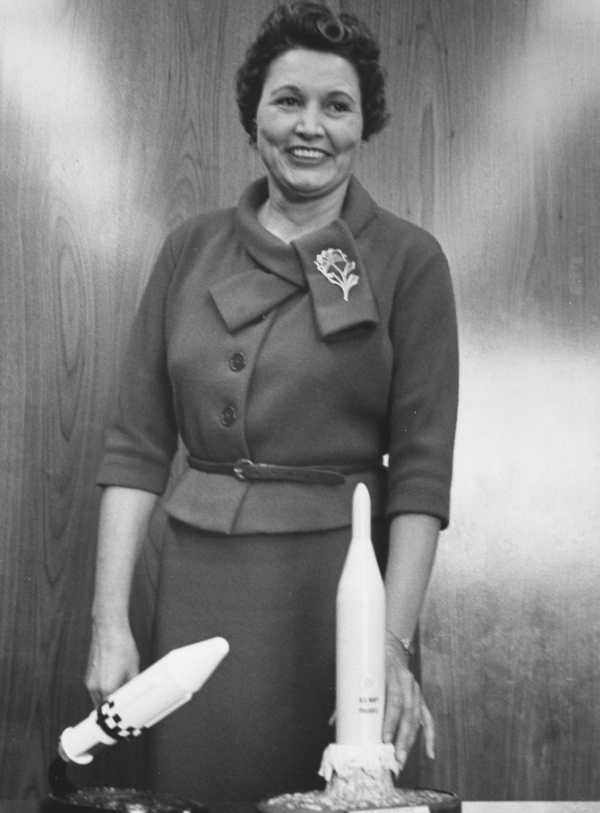
Mary Golda Ross
Mary Golda Ross was the first Native American Engineer due to her Cherokee ancestry. Her career began at Lockheed during WW2 working on improving fighter planes and other military aircraft, with a focus on aerodynamic forces. Working as a NASA contractor through Lockheed she worked on a number classified projects related to missiles.

Farouk El-Baz
Farouk El-Baz is a Egyptian geologist who worked at Bellcomm to review images of the moon seen from the Lunar Orbiter. Serving as a lead on the lunar site selection committee, he identified not just the place where the astronauts should land but the geological features that would be great sites for them to explore. He also trained the astronauts in observation and photography of the moon’s surface.
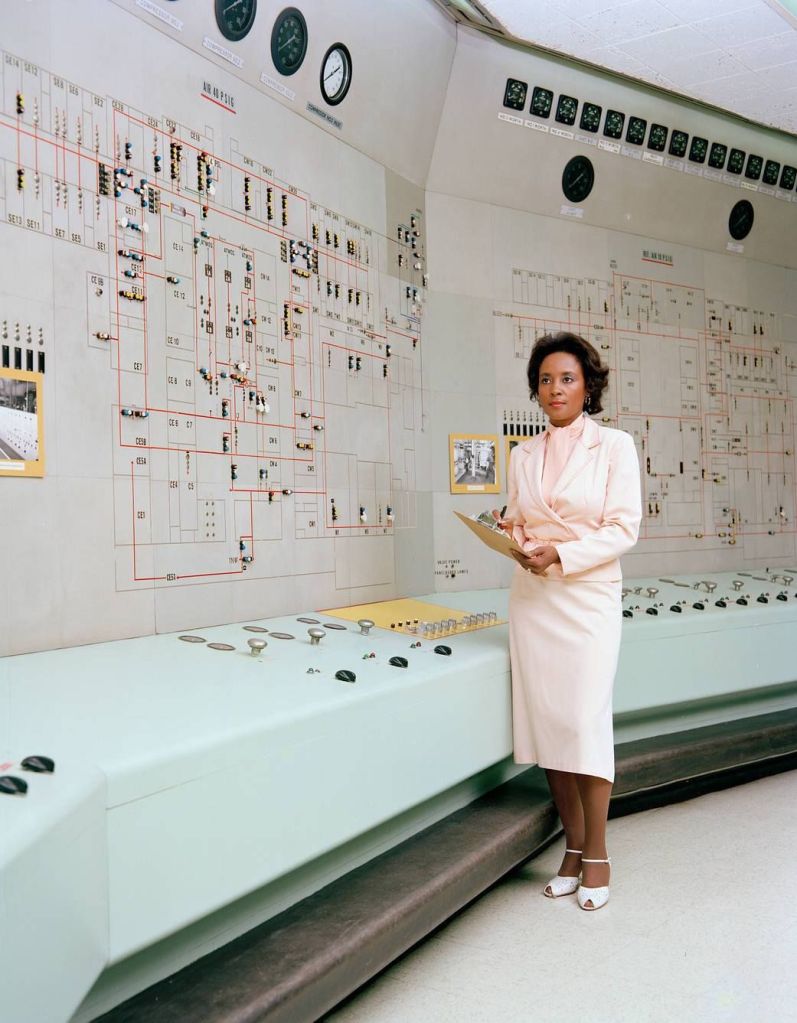
Annie Easley
Annie Easley entered NACA in 1955 as one of the four Black employees at Lewis Flight Propulsion Laboratory (later Glenn Research Center). While she began doing calculations by hand, the move to machines had her learning computer programming. One of her biggest projects was Centaur, a rocket that used a unique fuel system. Centaur was one of the lab’s great achievement for it was used to launch satellite and vehicles, as well as the Cassini (the spacecraft sent to to Saturn in 1997).
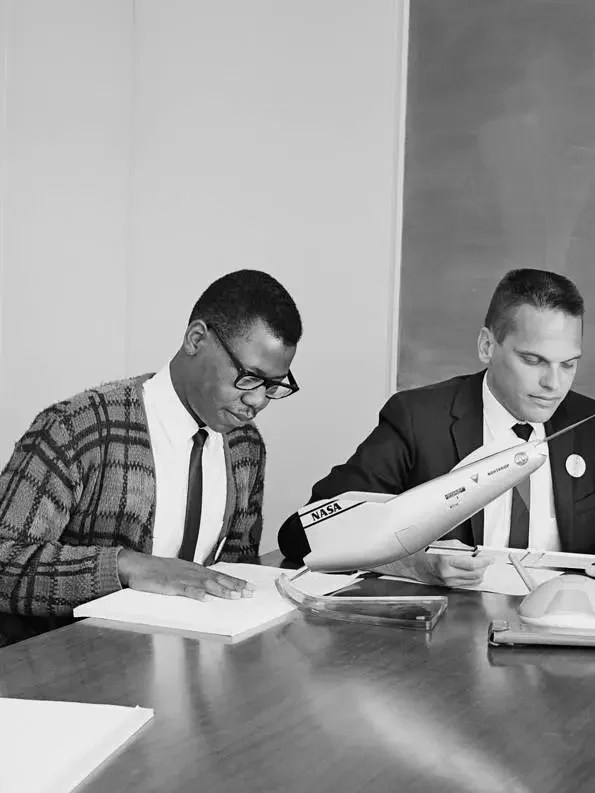
Alphonso Stewart
Alphonso Stewart worked in engineering on many projects such as the Lunar Landing Research Vehicle and worked on storage batteries used in lifting body aircraft.

Daniel Nichols
Daniel Nichols work at NASA as a coordinator between Flight Operations and IBMs due to his extensive knowledge in computers. He also sat in mission control during Apollo-era launches.
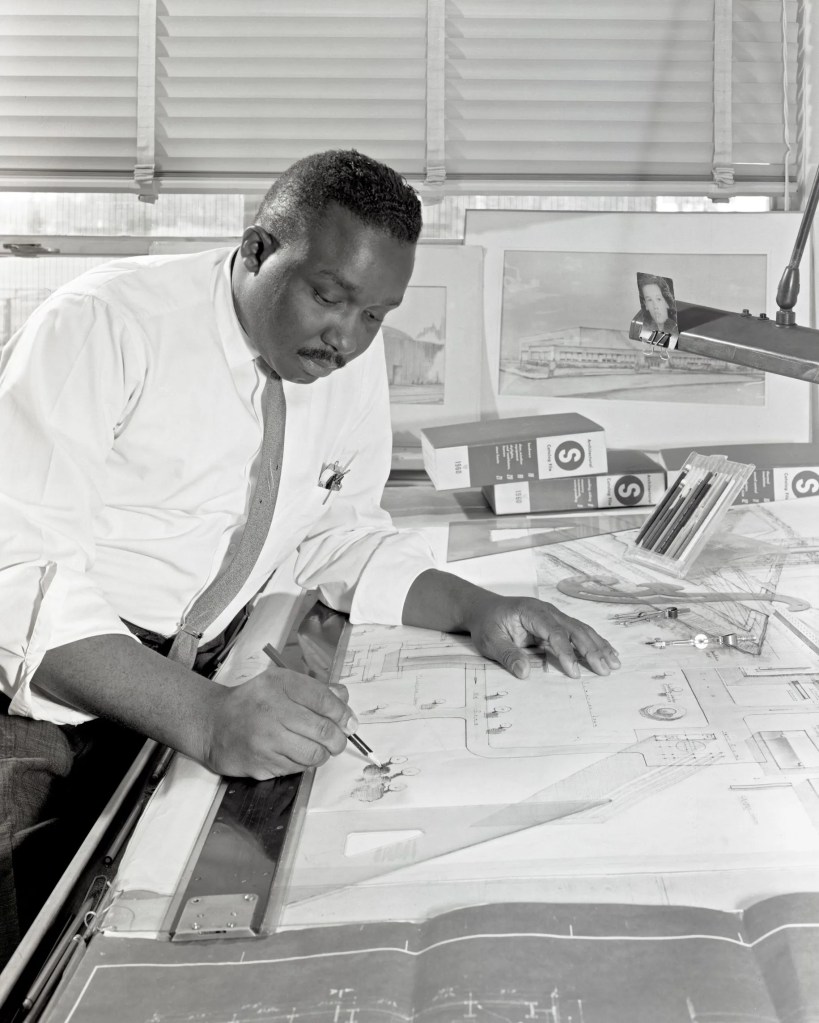
Jesse Strickland
Jesse Strickland was an architect. He joined NACA in 1950 in the Drafting Section which became NASA’s Architectural Design Branch in 1958. He designed new structures, modernized old buildings, and updated the procedures used in architectural work.
Most of the Plum Brook campus ( now Neil A. Armstrong Test Facility) at Glenn Research Center was designed by him.
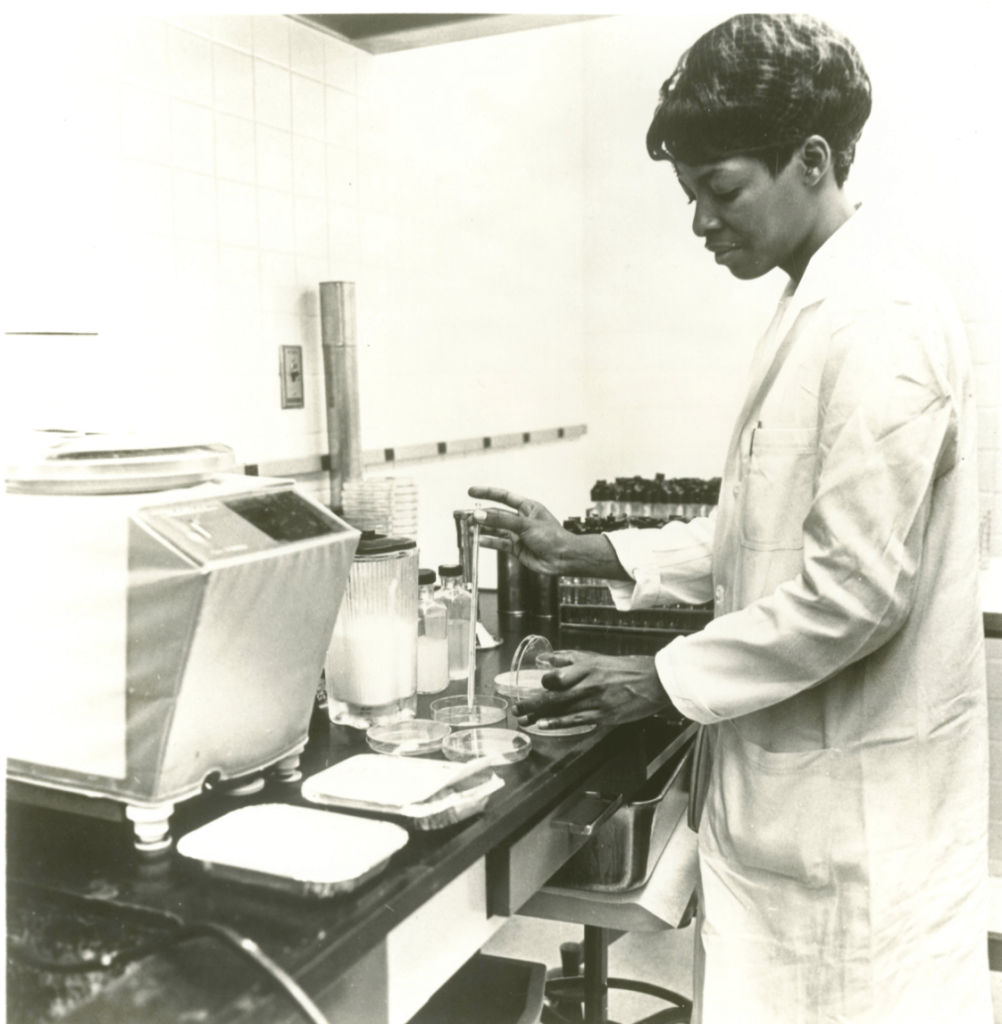
Sara Thompson
Sara Thompson was a quality control supervisor, at Stouffer’s Foods. Stouffer’s was a NASA contractor and selected to provide the meals for Apollo 11 astronauts post their return from the moon when they were quarantined out of fear of “moon bugs”. Thompson tested the meals the astronauts ate putting her chemical and food science knowledge to good use.
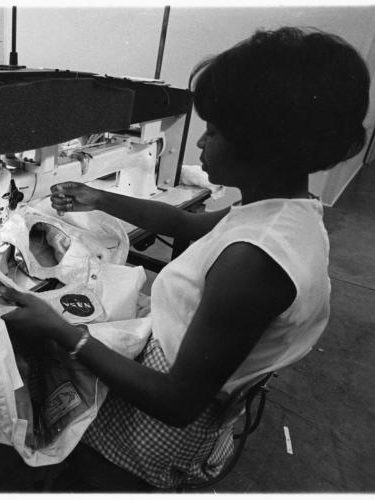
Hazel Fellows
Hazel Fellows was among the many seamstresses at International Latex Corporation who made the Apollo spacesuits. Latex was found to be great material for spacesuits, as it was durable and flexible enough for astronaut suits. The seamstresses at ILC played an active role in designing suits, combining, techniques, experiences, and innovation to create the suits that went to the moon and back.

Charles Smoot
Charles Smoot worked at Marshall Space Flight Center in the Astrionic Lab, preforming analyses for navigation in the Saturn launch vehicles.
He also created a program that help Black students across the the South who were studying math and physics top get connections to find work at NASA and other placements in the industry.
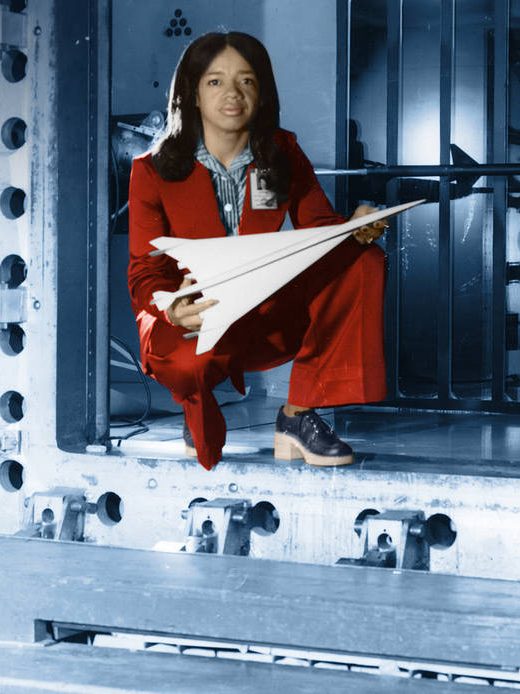
Christine Darden
Christine Darden arrived at NASA in 1967. Initially hired to crunch data, she would eventually enter the engineering section. One of her most notable projects involved sonic boom minimization.
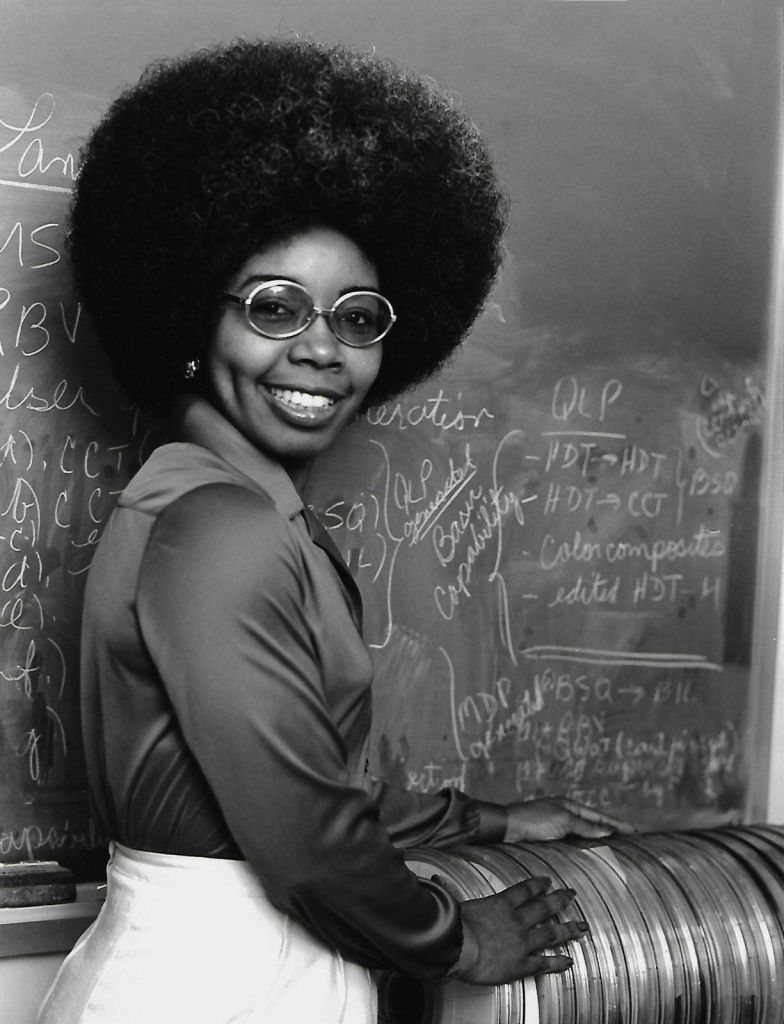
Valerie Thomas
Valerie Thomas began her time at NASA translating gamma and ultraviolet radiation data from Orbital Geophysical Observatory satellites. In the 1970s she worked on Landsat satellites and managed the Large Inventory Crop Area Experiment overseeing research and development as well as a large team . She also has a patent for the “illusion transmitter” light bulb that she invented.
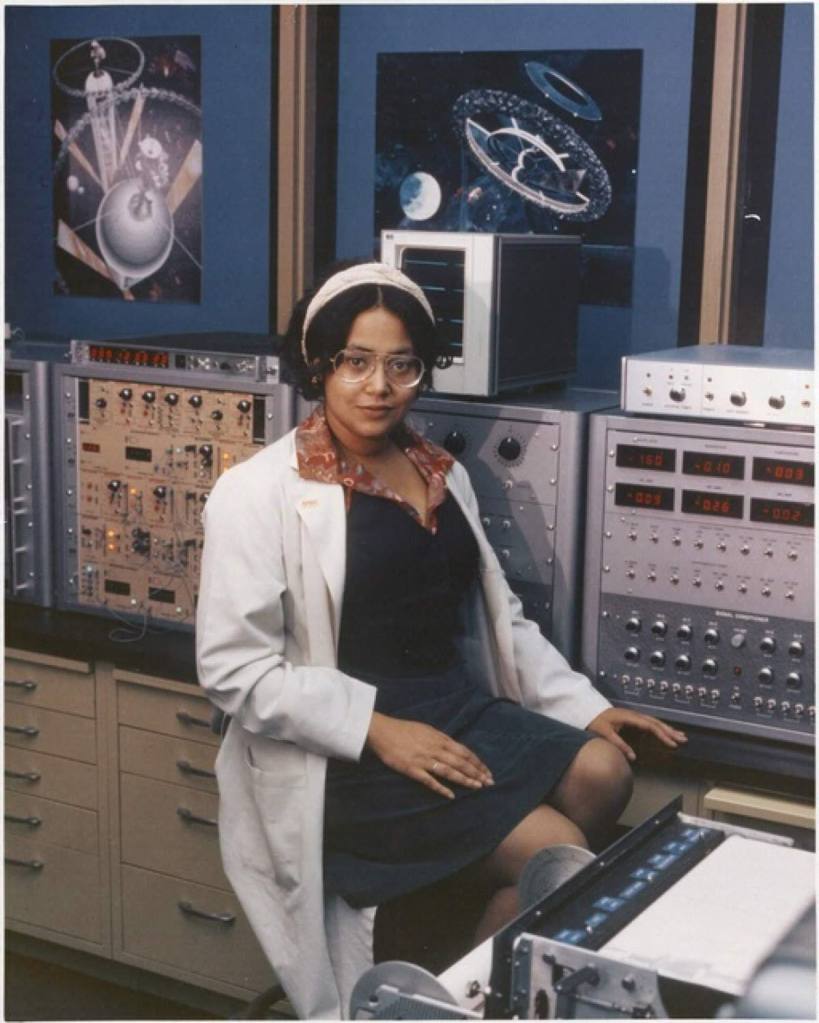
Patricia Cowings
Patricia Cowings worked at Ames Research Center in the Biomeidical division studying psycho-physiological problems that astronauts developed in space aka “space-sickness”.
While she never went into the space she became the first US woman to receive scientist-astronaut training in 1978.

More Hidden Figures Still Left to Uncover
This list just scratches at the surface of the numerous people who have worked at NASA either as an employee or a contractor.
There are many more names we might never know, as many have already passed on with their stories left untold. But the ones we do know help change NASA’s narrative and lead to new discoveries.
After all, while the common version of history may paint one version, the true story holds many more vibrant colors.
Some Resources to Check out:
The Starseekers
Head to the 1960s for a Hidden Figures meets Indiana Jones historical fantasy. Cynthia Rhodes is a arcane engineer at NASA, who also co-hosts a magical education show with archaeologist Theo Danner. A series of strange accidents at NASA, and elsewhere, put them on the trail of a mystery that entangles them in both peril and murder most foul.
Arriving 1/6/26

Don’t forget to request at your local library!
Subscribe
Thank you for subscribing!
Nicole Glover is a fantasy writer and the author the Murder and Magic series which includes THE IMPROVISERS. Her next book is THE STARSEEKERS, forthcoming 1/6/26
 Nicole Glover